Hand Flapping in 3-Year-Olds When Excited: A Parent's Guide

In short: Hand flapping when excited is a common self-stimulatory behavior in many 3-year-olds, especially autistic children. It's usually not harmful and can be a way of regulating emotions. If you have concerns about your child's development, a free service like ABA For My Child can match you with a BCBA-led provider to discuss whether ABA therapy is right for your family.
Key takeaways
- Hand flapping is a common sensory-seeking behavior, not inherently harmful.
- It becomes a concern if accompanied by other developmental delays or loss of skills.
- ABA therapy can teach alternative coping strategies while respecting the child's need for regulation.
- ABA is often covered by insurance, including Medicaid and commercial plans.
Understanding Hand Flapping in 3-Year-Olds When Excited
Seeing your 3-year-old flap their hands when excited can bring up questions and concerns. You might wonder if this is typical toddler behavior or something that needs attention. Hand flapping is a type of stereotypy - repetitive movements that can serve a purpose. For many children, especially those on the autism spectrum, hand flapping is a natural way to express joy, regulate sensory input, or manage overwhelming feelings. This article explains why hand flapping happens, what's typical, and how a free service like ABA For My Child can help you explore ABA therapy if needed.
🔗 Related reading: ABA Therapy: Private vs Clinic Rate Differences Explained · Local ABA Therapy
What Is Hand Flapping?
Hand flapping involves moving the hands up and down or side to side in a quick, repetitive motion. It's one of several self-stimulatory behaviors (often called "stimming") that can include rocking, spinning, or finger flicking. Stimming helps children regulate their sensory system, especially when they are excited, anxious, or overwhelmed. For a 3-year-old, hand flapping when excited is particularly common because their nervous system is still developing and they may not have words to express intense feelings.
Why Does It Happen When Excited?
Excitement triggers a surge of energy. Children may flap their hands to release that energy and maintain a sense of calm. It's similar to how an adult might bounce their leg or tap a finger when anticipating something wonderful. For many children, hand flapping is a harmless and effective coping tool.
Is Hand Flapping Always a Sign of Autism?
No. Many neurotypical 3-year-olds also hand flap when excited, especially during play or when seeing a favorite toy. The key is to look at the bigger picture. If your child also has delays in communication, social interaction, or other repetitive behaviors, a professional evaluation may be helpful. However, isolated hand flapping is not a definitive sign of autism.
When Hand Flapping May Be Part of Typical Development
For most toddlers, hand flapping is a passing phase. It often appears between 12 and 24 months and may fade as children develop more advanced motor skills and language. Many children outgrow it by preschool age. In these cases, the behavior is not a concern and doesn't require intervention.
What to Look For
- The flapping happens only in high-energy situations (e.g., receiving a gift, seeing a parent after daycare).
- Your child can be redirected easily to other activities.
- No other developmental red flags are present, such as lack of eye contact or delayed speech.
🔗 Related reading: ABA Therapy at Age 4: Still Effective? · Nearby ABA Therapy
When to Consider a Professional Evaluation
If hand flapping is accompanied by other signs, it may be worth discussing with your pediatrician or a developmental specialist. Some signs to watch for include:
- Frequent hand flapping outside of excitement, such as during calm moments or when upset.
- Limited spoken language or difficulty with back-and-forth conversation for a 3-year-old.
- Difficulty making eye contact or responding to their name.
- Loss of previously acquired skills (regression).
- Intense reactions to changes in routine or sensory stimuli (lights, sounds, textures).
If you see several of these signs, early intervention can make a significant difference. A free service like ABA For My Child can connect you with a BCBA-led provider who can conduct a functional assessment and recommend appropriate supports.
How ABA Therapy Can Help
Applied Behavior Analysis (ABA) therapy is an evidence-based approach often used for autistic children and those with developmental delays. A board-certified behavior analyst (BCBA) works with your family to understand why a behavior occurs and teaches alternative, functionally equivalent skills.
Replacing Hand Flapping With Alternatives
ABA does not aim to eliminate stimming completely, as that can be upsetting and counterproductive. Instead, therapists help children learn to engage in more socially accepted forms of sensory regulation. For example, if a child flaps when excited, the therapist might teach them to clap rhythmically, squeeze a stress ball, or use a calming phrase. The goal is to respect the child's needs while expanding their behavioral repertoire.
Behavioral Assessment First
Before any program starts, the BCBA performs a functional behavior assessment (FBA). This includes observing the child, interviewing parents, and noting patterns. Based on the data, the team designs a personalized plan that addresses the function of the hand flapping - whether it's sensory seeking, attention seeking, or a self-regulation tool.
Practical Tips for Parents at Home
While you wait for a professional assessment or alongside therapy, you can support your child in simple ways:
- Validate the behavior. Hand flapping is your child's way of coping. Avoid punishing or demanding they stop. Instead, gently redirect if needed.
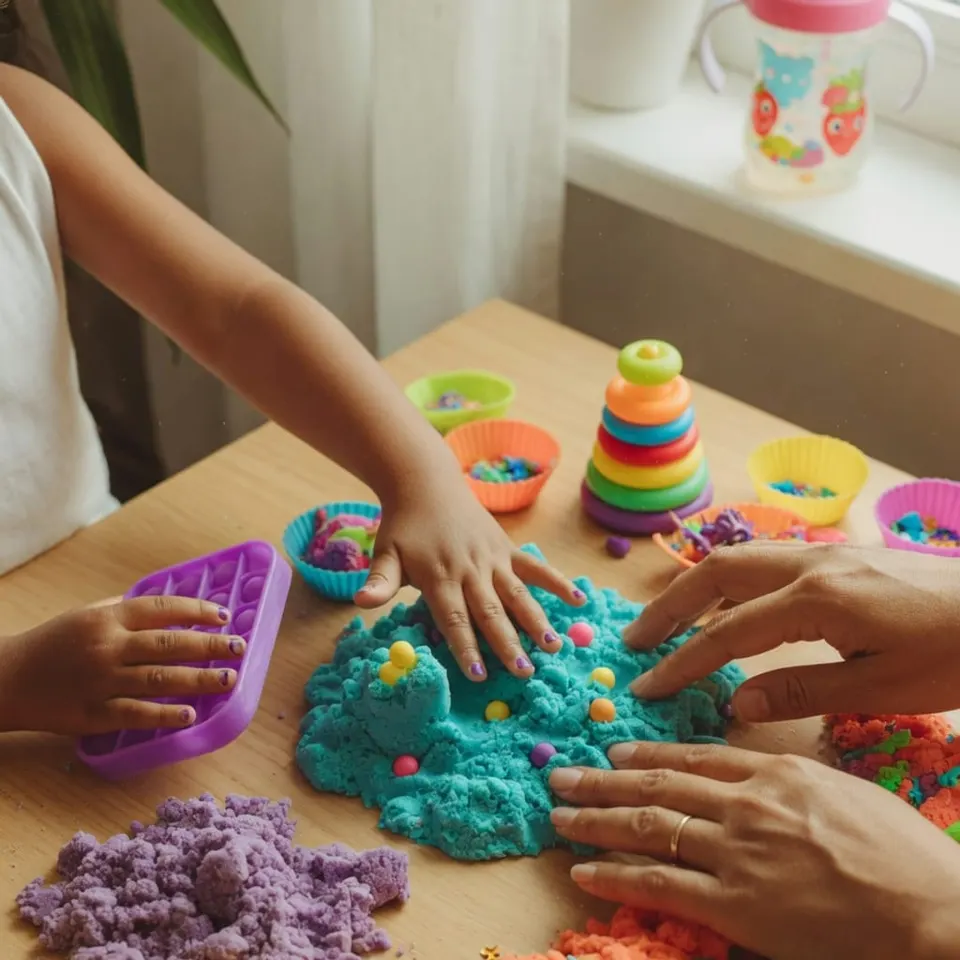
- Offer alternative outlets. Provide a trampoline, swings, or sensory bins to channel energy differently.
- Model calm excitement. Use words and gestures to label feelings: "You're so excited! Let's take a deep breath."
- Create a predictable environment. Routines reduce anxiety, which can decrease the intensity of stimming.
- Observe and journal. Note when flapping occurs to share with a professional later.
Costs and Insurance for ABA Therapy
ABA therapy can be expensive without coverage, but most insurance plans - including Medicaid - are required to cover autism-related treatments in many states. The exact coverage depends on your plan, diagnosis, and state regulations. ABA For My Child is a free referral service that helps you navigate these options. When you fill out a simple form, we match you with a vetted, BCBA-led provider who accepts your insurance. This service is at no cost to you.
What to Ask Insurance
- Does my plan cover ABA therapy for a child under 5?
- Is there a deductible or copay?
- Do I need a formal autism diagnosis to access coverage?
- Are in-network providers available?
Many children receive an evaluation through their state's early intervention program (like Birth to Three or Child Find). Those evaluations are often free or low-cost.
Mistakes to Avoid
When you see hand flapping, it's natural to want to stop it immediately. However, certain approaches can backfire:
- Forcing the child to stop. This can increase anxiety and lead to more intense stimming or meltdowns.
- Labeling the child as "weird" or "wrong." This harms self-esteem. Instead, educate family members that hand flapping is a normal coping behavior.
- Delaying evaluation due to fear. Early intervention is key. If you're worried, get an assessment - it's better to know sooner.
- Choosing a therapy provider without checking credentials. Ensure the provider is BCBA-led and uses evidence-based methods. ABA For My Child pre-screens providers for you.
Final Thoughts
Hand flapping in a 3-year-old when excited is rarely a cause for alarm. It's a common way young children regulate big emotions. By staying informed and observant, you can support your child's development confidently. If you suspect your child may need extra support, reaching out for a free matching service like ABA For My Child is a simple, no-pressure step. You'll be connected with professionals who can guide you and your child toward thriving.