ABA vs Floortime for 4-Year-Olds: Which Is Better?
In short: For a 4-year-old with autism, both ABA and Floortime have strengths. ABA is structured and skill-focused, great for teaching specific behaviors and reducing challenging ones. Floortime is play-based and child-led, building emotional connections and communication. The best choice depends on your child's needs and family goals; many families combine both approaches.
Key takeaways
- ABA uses positive reinforcement to teach skills and reduce challenging behaviors in a structured, data-driven way.
- Floortime follows the child's lead through play, focusing on emotional development and social engagement.
- ABA has the strongest evidence base, especially for early intervention, while Floortime research is growing.
- Many families successfully combine ABA and Floortime to address different needs.
Understanding ABA Therapy for 4-Year-Olds
Applied Behavior Analysis (ABA) is a scientific approach that uses principles of learning and motivation to increase helpful behaviors and decrease those that may interfere with learning or daily life. For a 4-year-old, ABA is often delivered one-on-one by a trained therapist under the supervision of a Board Certified Behavior Analyst (BCBA).
What ABA Looks Like for a 4-Year-Old
In ABA sessions, the therapist breaks down skills into small, teachable steps. For example, to teach requesting a toy, the therapist might first teach the child to point, then to say a single word, then a phrase. Positive reinforcement (like praise, a favorite toy, or a small treat) is used to encourage desired behaviors. Sessions may include discrete trial training (DTT) at a table or natural environment teaching (NET) during play. ABA is highly individualized and data-driven, with goals reviewed regularly.
Benefits and Considerations
- Benefits: Strong evidence base for improving communication, social skills, and adaptive behaviors; reduces challenging behaviors; can be tailored to specific goals like potty training or safety skills.
- Considerations: Can be intensive (20-40 hours per week), which may be tiring for some children; some critics argue it can be too rigid if not implemented with flexibility and warmth; quality varies by provider.

🔗 Related reading: ABA + Speech + OT: A Michigan Family's Guide · Find ABA Near Me
Understanding Floortime (DIR/Floortime) for 4-Year-Olds
Floortime (Developmental, Individual-differences, Relationship-based model) is a child-led, play-based approach that focuses on emotional development and building relationships. Developed by Dr. Stanley Greenspan, it aims to help children achieve developmental milestones by following their natural interests.
What Floortime Looks Like for a 4-Year-Old
In Floortime, the adult gets down on the floor and follows the child's lead. The goal is to create a "circle of communication" - opening and closing interaction loops. For example, if a child lines up cars, the parent might roll a car toward them, inviting interaction. The focus is on engagement, two-way communication, and creative problem-solving. Sessions often last 20-30 minutes multiple times a day, with parents trained to use the approach throughout the day.
Benefits and Considerations
- Benefits: Builds emotional connection, fosters creativity, respects the child's pace, can be easily integrated into family life.
- Considerations: Less structured than ABA; fewer large-scale studies measuring outcomes; may require significant parent training; not always covered by insurance as a standalone therapy.
Key Differences Between ABA and Floortime
Philosophy and Goals
ABA seeks to change observable behaviors and teach new skills through environmental manipulation. Floortime aims to build a foundation for emotional and relational development, assuming that intellectual and social growth follow healthy emotional connections.
Structure and Techniques
ABA is typically therapist-directed, structured, and uses data collection to track progress. Floortime is child-directed, flexible, and relies on spontaneous interaction. Both can be effective, but they appeal to different learning styles.
Therapist Qualifications
ABA is delivered by registered behavior technicians (RBTs) under BCBA supervision. Floortime sessions are often facilitated by parents, with support from a professional trained in the DIR model (e.g., an occupational therapist, speech-language pathologist, or psychologist with DIR certification).
Evidence Base
ABA has decades of research supporting its efficacy for autism, particularly for young children. Floortime has promising studies showing gains in social-emotional skills and communication, but the body of research is smaller. Both approaches recognize the importance of early intervention.

🔗 Related reading: Head Rolling in Autism: ABA Therapy Guide · Local ABA Therapy
When to Choose ABA for Your 4-Year-Old
ABA may be the better fit if your child has significant challenging behaviors (e.g., aggression, self-injury) that need reduction, or if you're targeting specific academic, self-help, or communication skills in a timely manner. It is also appropriate if your child responds well to structure and routine. Many insurance plans require an autism diagnosis for ABA coverage.
When to Choose Floortime for Your 4-Year-Old
Floortime might be a good choice if your child is highly resistant to adult-directed activities and you want to build a stronger emotional bond. It works well for children who are motivated by play and need help with social referencing, empathy, and back-and-forth interaction. Parents who want a more natural, less clinical setting often prefer Floortime.
Combining ABA and Floortime: A Hybrid Approach
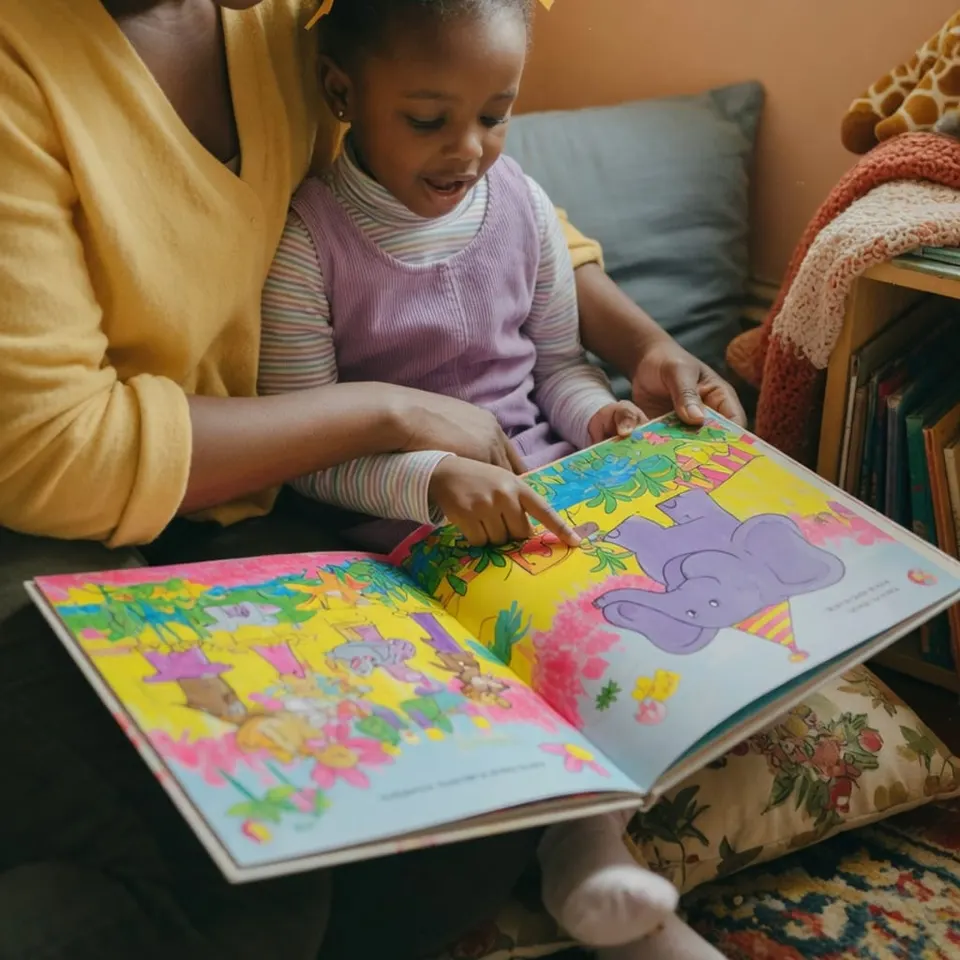
Many families find that using both approaches gives them the best of both worlds. For instance, a child might receive ABA for 15 hours a week to work on functional communication and daily living skills, while the family incorporates Floortime at home or through a play-based therapist. Collaboration between providers is key to avoid confusion for the child. Some providers are trained in both models and can blend techniques.
Costs and Insurance Coverage
ABA is commonly covered by private insurance plans, state Medicaid programs (e.g., EPSDT benefits), and public school systems through an IEP. Coverage may require a diagnosis of autism and a prescription. Floortime is less consistently covered when billed directly, but if provided by a speech-language pathologist or occupational therapist under their licensure, it may be reimbursable. Some states offer early intervention grants that can include Floortime. ABA For My Child is a free matching service that helps you find providers who accept your insurance, including Medicaid.
How to Choose the Right Approach for Your Family
Start by clarifying your goals: Are you most concerned about specific skill deficits (e.g., toilet training, following directions) or about your child's emotional engagement? Consider your child's temperament - do they thrive with clear expectations or need more flexibility? Talk to providers; many offer free consultations. You can also request a trial period to see how your child responds. Use our free matching service to connect with vetted, BCBA-led providers who can discuss both ABA and Floortime options.