ABA for Toddlers: Respectful Eye Contact Techniques
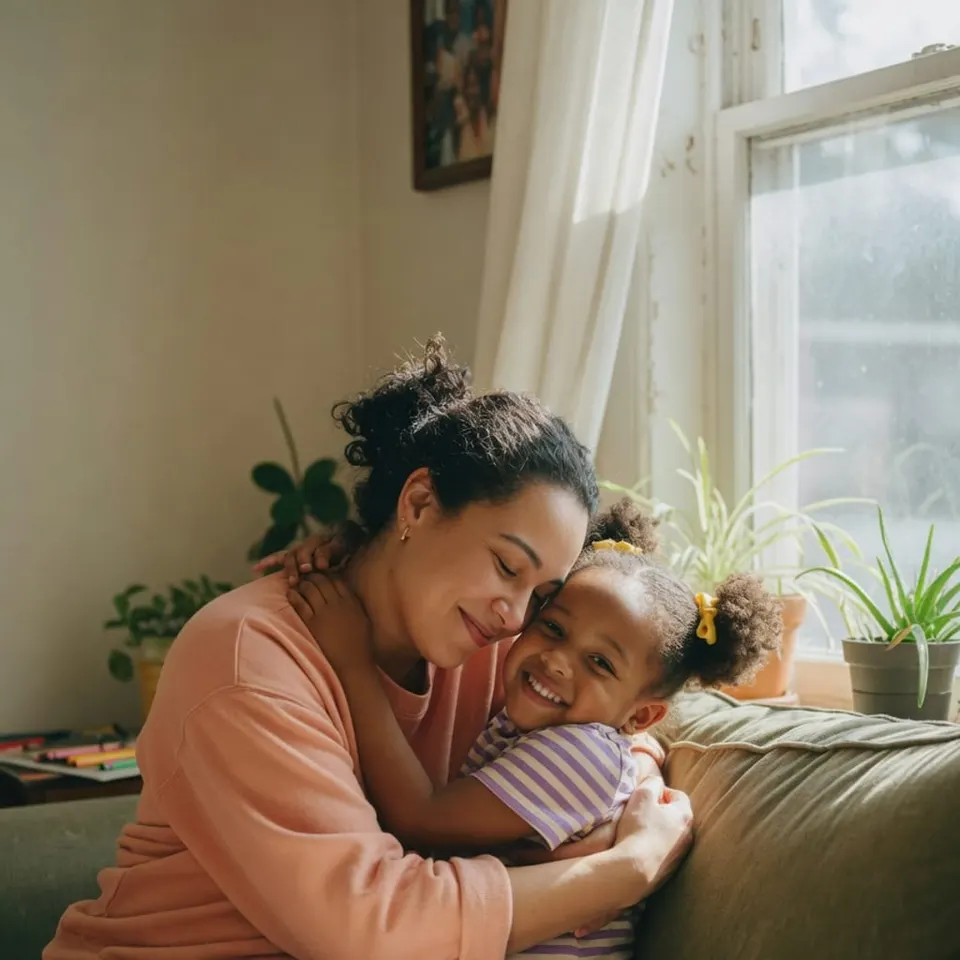
In short: Eye contact avoidance in toddlers is common and not inherently a problem. ABA therapy can help if functional, but it should never force eye contact. Our free service connects families with BCBA-led providers who use naturalistic, child-led techniques.
Key takeaways
- Eye contact avoidance is a natural trait, not a deficit to be fixed.
- Respectful ABA techniques prioritize comfort and function over compliance.
- Forcing eye contact can increase anxiety and damage trust.
- Many insurance plans and Medicaid cover ABA therapy for toddlers.
Understanding Eye Contact Avoidance in Toddlers
Many toddlers, both neurotypical and neurodiverse, go through phases of avoiding eye contact. For autistic children, this tendency is often more persistent and rooted in sensory processing differences. Eye contact can feel overwhelming, distracting, or even painful due to heightened sensitivity to visual input or difficulty processing multiple social cues at once. It is important to recognize that avoiding eye contact is not a sign of disrespect or disinterest-it is simply a different way of interacting with the world.
Parents sometimes worry when their toddler rarely looks them in the eye, especially after receiving an autism diagnosis. While eye contact avoidance is not a problem in itself, it can sometimes interfere with social communication if it prevents the child from noticing important facial expressions or cues. However, the goal of therapy should never be to force eye contact, but rather to support the child in developing comfortable, functional communication skills.
🔗 Related reading: ABA Hours for 5-Year-Old: What's Recommended? · Local ABA Therapy
The Role of ABA in Addressing Eye Contact
Applied Behavior Analysis (ABA) is a evidence-based therapy that focuses on teaching skills through positive reinforcement and individualized plans. When it comes to eye contact, a respectful ABA approach starts with understanding the child's perspective. A qualified Board Certified Behavior Analyst (BCBA) will assess why a child avoids eye contact-whether it is due to sensory overload, anxiety, or simply lacking a functional reason to look at others.
ABA techniques for eye contact are never about drilling or demanding compliance. Instead, they aim to make eye contact a naturally rewarding experience. For example, a therapist might pair a favorite toy or activity with brief moments of looking toward the adult's face, so the child learns that glancing up leads to something enjoyable. Over time, this builds a positive association without pressure.
How to get started: ABA For My Child is a free service that matches families with BCBA-led providers who specialize in early intervention. We help you find a team that respects your child's individuality while using proven, ethical ABA methods.
Respectful ABA Techniques for Eye Contact
Naturalistic Teaching Strategies
Naturalistic methods like Pivotal Response Training (PRT) embed learning into play. The therapist follows the child's lead, creating opportunities for the child to initiate communication. For instance, if the child reaches for a toy, the therapist may hold it near their own face, encouraging a brief look before handing it over. This approach is child-led, stress-free, and builds motivation.
Behavioral Momentum
Starting with easy, enjoyable requests builds success. A therapist might ask the child to do a series of simple actions they enjoy (like clapping or saying a sound), and then gently incorporate a request to "look" briefly. Because the child is already in a flow of compliance for fun activities, they are more likely to respond positively. The look duration starts extremely short-less than a second-and is immediately reinforced.
Pairing with Reinforcement
Every instance of eye contact, even accidental, is paired with a powerful reward-a favorite snack, a tickle, or access to a preferred toy. This makes looking at faces a desirable behavior. The reinforcer is delivered immediately and consistently, so the child learns that eye contact is a valuable tool for getting what they want.
Shaping and Gradual Exposure
Shaping means reinforcing successive approximations. Initially, any glance in the direction of the face is rewarded. Then, the criterion slowly shifts to a brief look at the eyes. The process is gradual and respects the child's comfort zone. No force or physical guidance is used.
🔗 Related reading: Colorado HCBS Waiver for Autism: A Step-by-Step Guide · Local ABA Therapy
When Is Eye Contact a Useful Goal?
Not every autistic child needs to learn eye contact. Many individuals communicate effectively without it, using alternative means like joint attention (pointing, showing) or verbal language while looking away. The decision to work on eye contact should be based on the child's individual needs-if the lack of eye contact prevents them from learning, communicating, or building relationships, then it may be a functional goal. However, if the child is thriving without it, therapy may focus on other priorities like language, play skills, or self-regulation.
An ethical BCBA will discuss these considerations with you and ensure that any eye contact goals are meaningful and respectful. The parent's intuition and the child's comfort are always central.
What About Insurance and Cost?
ABA therapy is typically covered by health insurance, including many private plans and state Medicaid programs. Because autism-focused ABA is considered a medically necessary treatment, most insurers provide coverage for children under 21. However, coverage details vary by plan and state. For example, many state Medicaid programs (like California's Medi-Cal or New York's Medicaid) cover ABA, but you may need a diagnosis and a referral.
Our free matching service, ABA For My Child, can help you find providers who accept your insurance. We streamline the process so you don't have to call dozens of clinics. Simply fill out a short form with your location and insurance details, and we'll connect you with BCBA-led practices that have availability.
Practical Tips for Parents at Home
- Don't force eye contact-never hold your child's face or demand "look at me." This can create negative associations.
- Get on their level-sit or lie down so your face is in their line of sight without them having to look up.
- Use motivating items-hold favorite toys or snacks near your eyes to encourage brief glances.
- Follow their lead-engage in activities they love, and let eye contact happen naturally during shared joy.
- Celebrate small wins-if your child looks at you for a split second, smile or say something positive without making a big deal.
- Consider alternative communication-teach pointing, signing, or picture exchange so your child can connect without eye contact.
Mistakes to Avoid
- Making eye contact a battle-power struggles harm your relationship and increase resistance.
- Assuming no eye contact means no engagement-many children listen and learn while looking away.
- Using physical prompts-turning the child's head or blocking their view can be frightening and counterproductive.
- Setting unrealistic goals-long, sustained eye contact is unnatural for many people; focus on brief, functional moments.
- Ignoring sensory sensitivities-if your child covers their eyes or squints, explore whether visual stimulation is overwhelming.
Remember, every child is unique. A thoughtful ABA program will adapt to your toddler's needs and never sacrifice their comfort for a rigid goal. If you're unsure where to start, ABA For My Child is here to help you find a provider who aligns with your values-free of charge.