ABA Therapy for a 5-Year-Old with Aggressive Behavior: What Families Need to Know
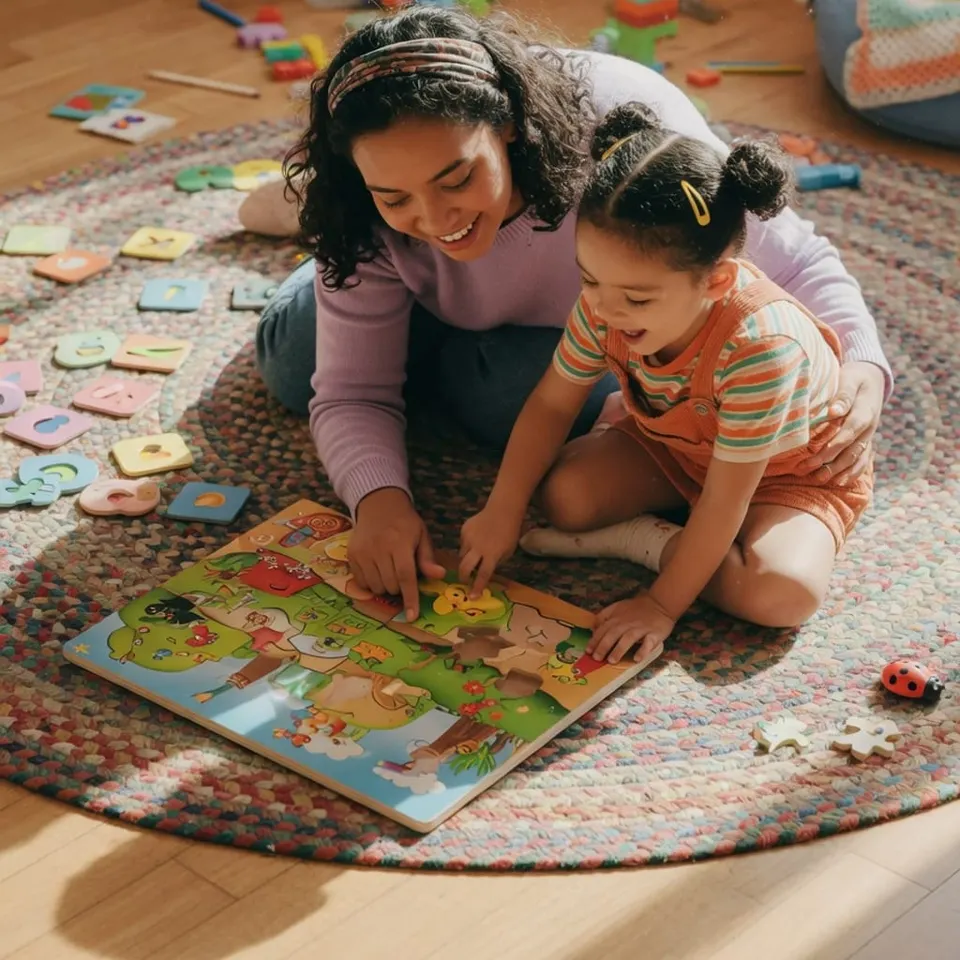
In short: ABA therapy uses positive reinforcement to teach children with autism new skills and reduce challenging behaviors like aggression. For a 5-year-old, a BCBA designs a personalized plan to address triggers and teach calm responses. Our free service matches you with vetted providers who accept insurance, including Medicaid.
Key takeaways
- ABA therapy is evidence-based and effective for reducing aggressive behaviors in young children with autism.
- A Board Certified Behavior Analyst (BCBA) creates a tailored plan focusing on communication and coping skills.
- Therapy often includes parent training to ensure consistency at home and in community settings.
- Most insurance plans, including Medicaid, cover ABA therapy for autism-related behaviors.
Understanding Aggressive Behavior in 5-Year-Olds with Autism
Aggressive behavior in a 5-year-old with autism can be distressing for both the child and the family. It often stems from communication difficulties, sensory overload, or frustration with unmet needs. Common forms include hitting, biting, throwing objects, or yelling. It's important to remember that this behavior is not intentional defiance but a way the child is trying to express something they cannot yet communicate effectively.
At this age, children are developing social and emotional skills, but those with autism may struggle with transitions, sharing, or understanding social cues. Aggression can also be a response to anxiety or changes in routine. Understanding the root cause is the first step toward finding effective support.

🔗 Related reading: Verify ABA Provider Credentials in Michigan · Find ABA Near Me
How ABA Therapy Addresses Aggressive Behavior
Applied Behavior Analysis (ABA) therapy is a scientifically validated approach that focuses on understanding and changing behavior. For a 5-year-old with aggressive behavior, a Board Certified Behavior Analyst (BCBA) will conduct a functional behavior assessment (FBA) to identify the triggers and consequences that maintain the aggression. This assessment helps determine the function of the behavior-whether it's to gain attention, escape a task, access a preferred item, or respond to sensory needs.
Key Strategies Used in ABA
- Positive Reinforcement: The therapist reinforces alternative, appropriate behaviors, such as using words or a communication device to request a break, instead of hitting.
- Teaching Replacement Behaviors: The child learns new skills like asking for help, waiting, or using calming techniques.
- Environmental Modifications: Changes to the child's surroundings can reduce triggers, such as creating a quiet space or using visual schedules.
- Parent Training: Caregivers learn how to implement strategies consistently, which is crucial for generalization.
ABA is not about punishment; it's about teaching skills that make aggression unnecessary. Sessions are typically one-on-one and can take place at home, in a clinic, or in community settings.
What to Expect in ABA Therapy for a 5-Year-Old
When you start ABA therapy, the BCBA will first meet with your family to discuss goals. For a 5-year-old with aggressive behavior, goals might include reducing hitting by 80% within three months, increasing the use of functional communication, and improving the ability to transition between activities without distress.
Typical Session Structure
Sessions often last 2-4 hours, several times a week. The therapist uses naturalistic teaching methods, embedding learning into play and daily routines. For example, during a game, the therapist might pause to encourage the child to request a turn verbally. Data is collected on every behavior to track progress and adjust the plan.
Parent involvement is key. You'll be trained to use the same strategies at home, which helps the child learn faster. The BCBA will also collaborate with your child's school or preschool if needed.

🔗 Related reading: Toe Walking in Autism: ABA Support for 4-Year-Olds · Local ABA Therapy
Costs and Insurance Coverage for ABA Therapy
ABA therapy can be expensive without insurance, often costing $120-$200 per hour. However, most insurance plans, including Medicaid, cover ABA therapy for autism spectrum disorder. The Affordable Care Act requires many plans to cover autism treatments, and many states have mandates for ABA coverage.
Our free matching service can help you find providers who accept your insurance, including Medicaid. We work with vetted, BCBA-led clinics that understand the importance of personalized care. Simply provide your insurance details, and we'll connect you with options in your area.
Practical Tips for Parents of a 5-Year-Old with Aggressive Behavior
While waiting for or during ABA therapy, there are steps you can take at home to reduce aggression:
- Identify Triggers: Keep a log of when aggression occurs-note the time, setting, and what happened before. This can help you and the BCBA spot patterns.
- Use Visual Supports: Picture schedules, timers, and social stories can help your child understand what's coming next, reducing anxiety.
- Stay Calm: Your reaction matters. Use a neutral tone and avoid giving attention to the aggression. Instead, redirect to a safe activity.
- Teach Communication: If your child is nonverbal or has limited speech, consider a communication device or picture exchange system. Many aggressive behaviors are attempts to communicate.
- Create a Safe Space: Designate a quiet area where your child can go to calm down. Fill it with sensory-friendly items like weighted blankets or fidget toys.
Remember, you are not alone. Many families face similar challenges, and with the right support, progress is possible.

Common Mistakes to Avoid When Addressing Aggression
It's easy to fall into traps that can make aggression worse. Here are some pitfalls to avoid:
- Punishing the Behavior: Yelling or time-outs can increase anxiety and escalate aggression. Focus on teaching replacement behaviors instead.
- Inconsistency: If one parent allows a behavior and the other doesn't, the child gets mixed signals. Consistency across caregivers is vital.
- Ignoring the Function: Without understanding why the aggression happens, interventions may backfire. Always work with a BCBA to identify the root cause.
- Expecting Quick Fixes: Behavior change takes time. Celebrate small wins and be patient with the process.
Finding the Right ABA Provider for Your Child
Choosing a provider is a big decision. Look for a BCBA-led team with experience in early childhood and aggressive behaviors. Ask about their approach to parent training and how they handle crises. Our free service simplifies this process by matching you with vetted providers who meet high standards. We consider your location, insurance, and specific needs to find the best fit.
Once matched, you can schedule a consultation to discuss your child's goals. The BCBA will observe your child and create a plan tailored to your family. With the right support, your 5-year-old can learn to manage their emotions and build positive relationships.