3-Year-Old Not Using Gestures: Could It Be Autism?

In short: Gestures like pointing, waving, and showing objects typically emerge by 12-18 months. If a 3-year-old isn't using them, it can be a red flag for autism or another developmental delay. Early intervention is key-ABA therapy, often covered by insurance and Medicaid, can help build communication skills. A free service like ABA For My Child can match you with vetted, BCBA-led providers in your area.
Key takeaways
- Gestures (pointing, waving, showing) are key social-communication milestones that typically appear by 12-18 months.
- A 3-year-old not using gestures may be an early sign of autism, but other conditions can also cause delays.
- Early intervention-especially ABA therapy-can significantly improve communication and social skills.
- ABA therapy is often covered by private insurance and Medicaid (e.g., state-specific programs like Early Intervention).
Why Gestures Matter in Early Development
Gestures are a foundational part of communication. Before children speak their first words, they use gestures to share attention, request items, and express feelings. By 12 months, most children point to show interest, wave hello, and hold up objects to show others. By 18 months, they combine gestures with sounds or words. When a 3-year-old is not using gestures at all, it can signal a delay in social communication-one of the core areas affected in autism spectrum disorder (ASD).
What Gestures Should a 3-Year-Old Use?
By age 3, children typically use a variety of gestures, including:
- Pointing to request or share interest
- Waving hello or goodbye
- Nodding or shaking head for yes/no
- Showing objects to others
- Giving items as part of play or interaction
If your child is not using these gestures, it's worth discussing with a pediatrician or developmental specialist.
🔗 Related reading: No ABA Providers in Rural Texas? Here's Help · Local ABA Therapy
Is It Autism? Other Possible Causes
While lack of gestures is a common early sign of autism, it is not the only possible cause. Other factors include:
- Hearing loss or chronic ear infections affecting language development
- Speech or language delays (without autism)
- Intellectual disability or global developmental delay
- Environmental factors like limited exposure to social interaction
A comprehensive evaluation by a developmental pediatrician, child psychologist, or speech-language pathologist can help determine the cause. Early diagnosis is key because it opens doors to early intervention services.
Early Intervention: Why Acting Now Matters
Research shows that early intervention-especially before age 4-can dramatically improve outcomes for children with autism. The brain is most adaptable in the first few years, making it the ideal time to teach communication, social, and behavioral skills.
What Is ABA Therapy?
Applied Behavior Analysis (ABA) is a scientifically validated therapy that focuses on increasing positive behaviors and reducing those that interfere with learning. For a 3-year-old not using gestures, a BCBA (Board Certified Behavior Analyst) might use techniques like:
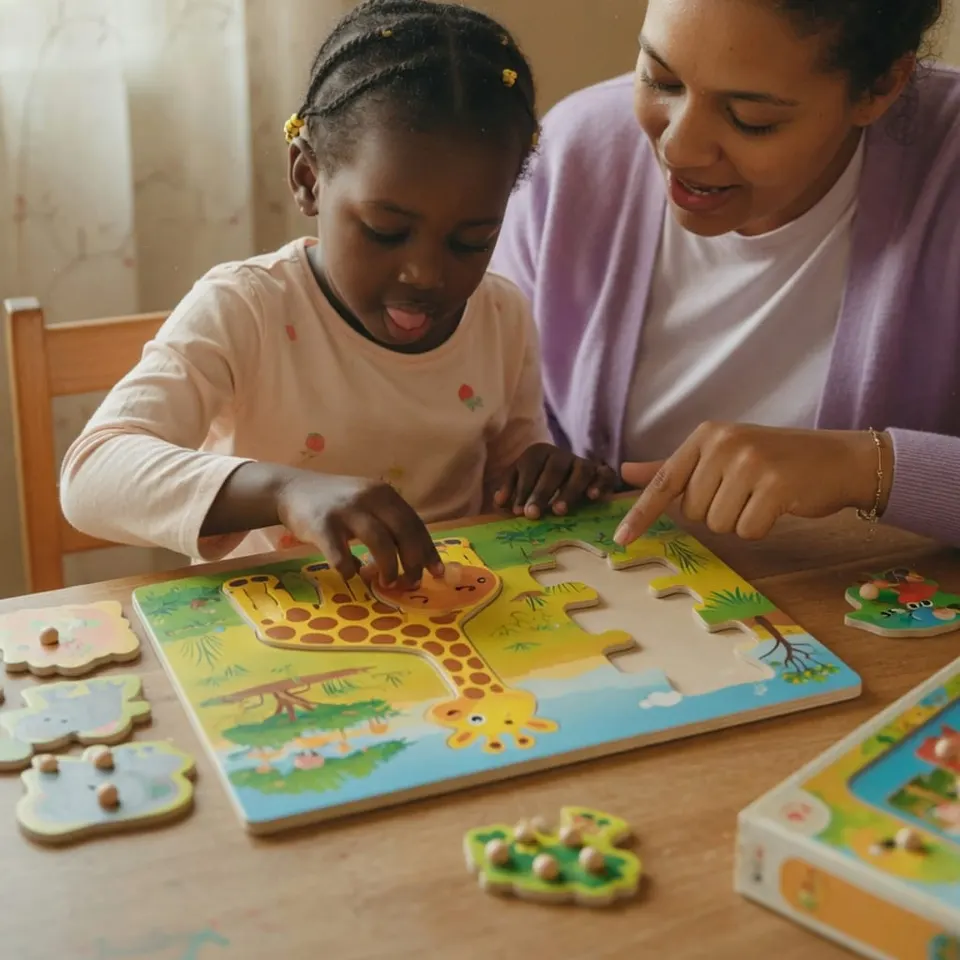
- Modeling gestures and rewarding imitations
- Natural environment teaching during play
- Prompting and fading to encourage independent gesturing
- Pairing gestures with words to build communication
ABA is highly individualized, so the plan will match your child's unique needs.

🔗 Related reading: ABA Therapy Intensity for Low Functioning Autism · Nearby ABA Therapy
Costs and Insurance Coverage for ABA Therapy
ABA therapy can be expensive without coverage-often $50-$150 per hour. However, most private insurance plans cover ABA for autism, thanks to state mandates and the Affordable Care Act. Medicaid also covers ABA in many states, including through early intervention programs. For example, in California, the state's Early Start program and Medi-Cal may provide funding. In Texas, the Early Childhood Intervention (ECI) program can help. A free matching service like ABA For My Child can help you navigate these options and find providers who accept your insurance.
How to Check Your Coverage
- Call your insurance provider and ask about ABA benefits for autism.
- Ask about deductibles, copays, and session limits.
- If you have Medicaid, inquire about state-specific early intervention programs.
You don't have to do this alone-ABA For My Child's team can assist with insurance verification.
What to Do If You're Concerned: A Step-by-Step Guide
Step 1: Talk to Your Pediatrician
Share your observations about your child's lack of gestures. Ask for a developmental screening (like the M-CHAT) and a referral to a specialist.
Step 2: Seek a Comprehensive Evaluation
A full evaluation may involve a developmental pediatrician, a child psychologist, and a speech-language pathologist. This will determine if your child meets criteria for autism or another condition.
Step 3: Start Early Intervention Services
If your child is under 3, contact your state's early intervention program (often called Part C of IDEA). For children 3 and older, your local school district may offer special education services.
Step 4: Explore ABA Therapy
Once you have a diagnosis, you can begin ABA therapy. Use a free matching service like ABA For My Child to connect with BCBA-led providers in your area who have experience with young children.
Common Mistakes to Avoid
- Waiting too long. Don't assume your child will 'grow out of it.' Early action is critical.
- Ignoring other red flags. Lack of gestures often co-occurs with delayed speech, limited eye contact, or repetitive behaviors.
- Not using insurance. Many families assume ABA is not covered-but it often is. Check your benefits.
- Going it alone. Support groups, parent training, and professional guidance can make a huge difference.
Practical Tips for Encouraging Gestures at Home
While waiting for an evaluation or therapy, you can try these strategies:
- Model gestures throughout the day-point to things you see, wave goodbye, nod for yes.
- Use exaggerated gestures to make them more noticeable.
- Pause and wait during routines to give your child a chance to gesture.
- Reward any attempt at gesturing with praise or a preferred toy.
- Sing songs with motions like 'Itsy Bitsy Spider' or 'Wheels on the Bus.'
Remember, these tips are not a substitute for professional therapy, but they can support your child's development.
How ABA For My Child Can Help
ABA For My Child is a free service that matches families with vetted, BCBA-led ABA therapy providers. We understand the stress of finding the right care for your child. Our team can help you:
- Find providers who specialize in early intervention for young children
- Verify your insurance coverage, including Medicaid
- Navigate waitlists and scheduling
You don't have to face this alone. Reach out today to get started.